
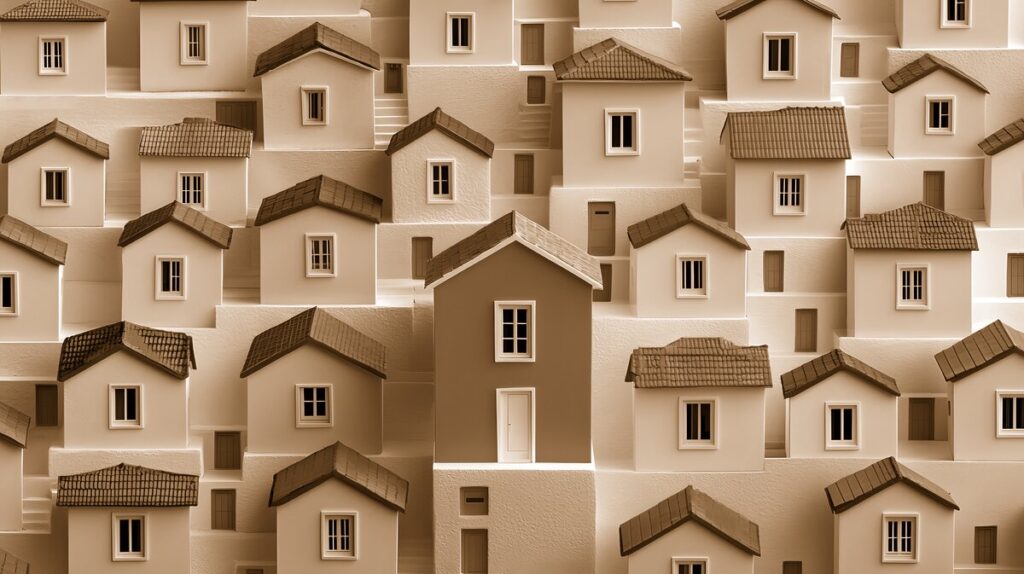
A Village Born in Nature
Nestled within the bustling Town of Hempstead, the village of Cedarhurst stands as a living tapestry of history, culture, and community spirit. Though now a vibrant hub in Nassau County’s celebrated “Five Towns,” Cedarhurst’s story began with untouched woodlands and expansive meadows that shaped its very identity — and gave rise to its evocative name.
How Cedarhurst Got Its Name
Originally, the area was known as Ocean Point for its proximity to the nearby Atlantic coastline. In the late 1800s, as settlers established farms and homes, the distinctive stands of native red cedar trees inspired the residents to adopt a more poetic name. Thus, in 1884, Cedarhurst was officially incorporated as a village, the “hurst” denoting a wooded hillside — a nod to its verdant beginnings.
The Arrival of the Railroad: A Village Transformed
For much of the 19th century, Cedarhurst was a serene enclave far removed from New York City’s urban pace. That changed dramatically with the arrival of the Long Island Rail Road. The Cedarhurst station, opened in 1869 on Cedarhurst Avenue, brought easy access to Manhattan and made the village an attractive summer destination. City dwellers built stately Victorian homes and grand hotels, some of which still echo the elegance of a bygone era.
- The original train depot, though replaced in the 1930s, is memorialized by plaques and historical markers at the present-day station.
- Cedarhurst Avenue quickly became the village’s main thoroughfare, lined with boutiques, bakeries, and family-run businesses that remain community cornerstones.
Landmarks and Institutions: Cornerstones of Character
Cedarhurst Park
One of the village’s signature gathering spots is Cedarhurst Park, located at the corner of Cedarhurst Avenue and Summit Avenue. Home to summer concerts, movie nights, and the beloved annual Cedarhurst Street Fair, this green space has united generations — from “stoop ball” games in the 1950s to today’s food truck festivals.
The Trinity-St. John’s Church
This historic Episcopal church on Broadway has watched over the community since 1911. With its distinctive stone façade and stained-glass windows, Trinity-St. John’s remains a beacon of local heritage, hosting arts events, charity drives, and interfaith dialogues.
The Peninsula Library
Serving learners of every age, the Peninsula Public Library on Central Avenue has been a quiet force for good since 1951. It’s where neighborhood children discover their first books, where history lovers delve into archives of Cedarhurst’s transformation, and where community life finds a voice through town talks and exhibits.
Waves of Change: Cedarhurst Through the Decades
Early 20th Century: A Resort Era
Cedarhurst’s allure as a summer haven led to the construction of stylish inns and country clubs, drawing vacationers from across the tri-state area. Remnants of the old Maple Drive Hotel and the opulent Rockaway Hunt Club on Broadway are still spoken about by older residents, testifying to the village’s golden era of leisure.
Mid-Century Shifts: Suburban Growth
By the 1950s, year-round residents replaced seasonal visitors. New schools like Lawrence High School and religious institutions such as Congregation Sons of Israel mirrored the population’s growing diversity. Cedarhurst Avenue, once a sleepy street, hummed with the voices of local merchants — coffee shops, bakeries like Bonelle Pastry Shop, and tailor shops that anchored the neighborhood’s daily rhythm.
The Shopping Renaissance
The 1980s and ’90s saw Cedarhurst blossom as a shopping and dining destination, especially in the Jewish Orthodox community. Kosher bakeries, boutiques, and gift shops infused Central Avenue with vibrant life, making it the “Rodeo Drive of Long Island.”
Preserving the Past, Embracing the Future
Walking down Cedarhurst Avenue today is a stroll through living history. While some 19th-century homes still stand on winding streets like Arlington Place and Spruce Street, modern apartments and contemporary eateries share the stage. Local landmarks, such as the Village Hall on Cedarhurst Avenue, serve as reminders of a civic legacy that values both progress and tradition.
Residents nurture deep roots here, honoring the past through organizations like the Cedarhurst Historical Society and annual events that celebrate old-fashioned small-town togetherness — whether it’s the menorah lighting in winter or the block parties of summer.
What Makes Cedarhurst Special?
Ultimately, it’s the sense of community that gives Cedarhurst its heart. Neighbors greet one another at Cedarhurst Park’s playground, shop owners know their customers by name, and heritage is not just displayed in museums but woven into daily life. The village’s evolution — from pastureland to resort town, to thriving modern community — stands as proof that Cedarhurst’s story is ever-unfolding.
If you find yourself walking under the dappled shade of old-growth trees along Central Avenue, or catching the laughter of children at Cedarhurst Park, you’ll understand. Here, history isn’t merely remembered — it’s cherished, lived, and lovingly passed on.